The Pursuit of Responsible AI

AI systems are making consequential decisions in healthcare, finance, and public administration. The gap between ethical aspiration and operational accountability is where harm occurs.
Innovating Audit for an Innovative World
Traditional audit frameworks were built for static systems. AI systems learn, adapt, and shift between training and deployment. This paper maps what audit must become.
Assessed Signal – March 2026
Cybersecurity must transition from traditional patching to a systems theory approach to manage “Agentic AI” and autonomous workflows that operate without human intervention. To maintain control and meet new legal mandates like the EU AI Act, organizations are adopting the ARISE Framework, which integrates human-in-the-loop oversight and “Zero Trust” architectures for data provenance. This “Shift Left” methodology transforms ethics into a functional control variable, ensuring that AI agents remain reproducible and traceable to human-verified sources.
KYC: Interest Form
The People Behind the Work Know Your Community: Intelligent Financial Inclusion Application to Sponsor the Invitation-Only Launch Workshop
RED Assessment
Assessment PackageVALIDATEINNOVATE Risk, Exposure and Discovery The RED Assessment.Know What You Have.Before It Becomes a Liability. The Risk Exposure and Discovery assessment is a strategic alignment process grounded in the robust governance practices. This provides the starting point for technical and legal strategy alignment when deploying high-risk technology, delivering executives a prioritized view of their […]
Education
In today’s rapidly changing education system, schools are quickly using AI and digital tools. However, this fast pace often leaves behind the rules needed to keep student data safe. Assessed Intelligence provides the ARISE Framework, ensuring careful management of AI, cybersecurity, and privacy. By adding governance to everyday practices, schools can build trust and comply with regulations. Learn how to change your school’s approach to technology management and protect education. Discover the ARISE Framework and start managing today!
Education & Awareness
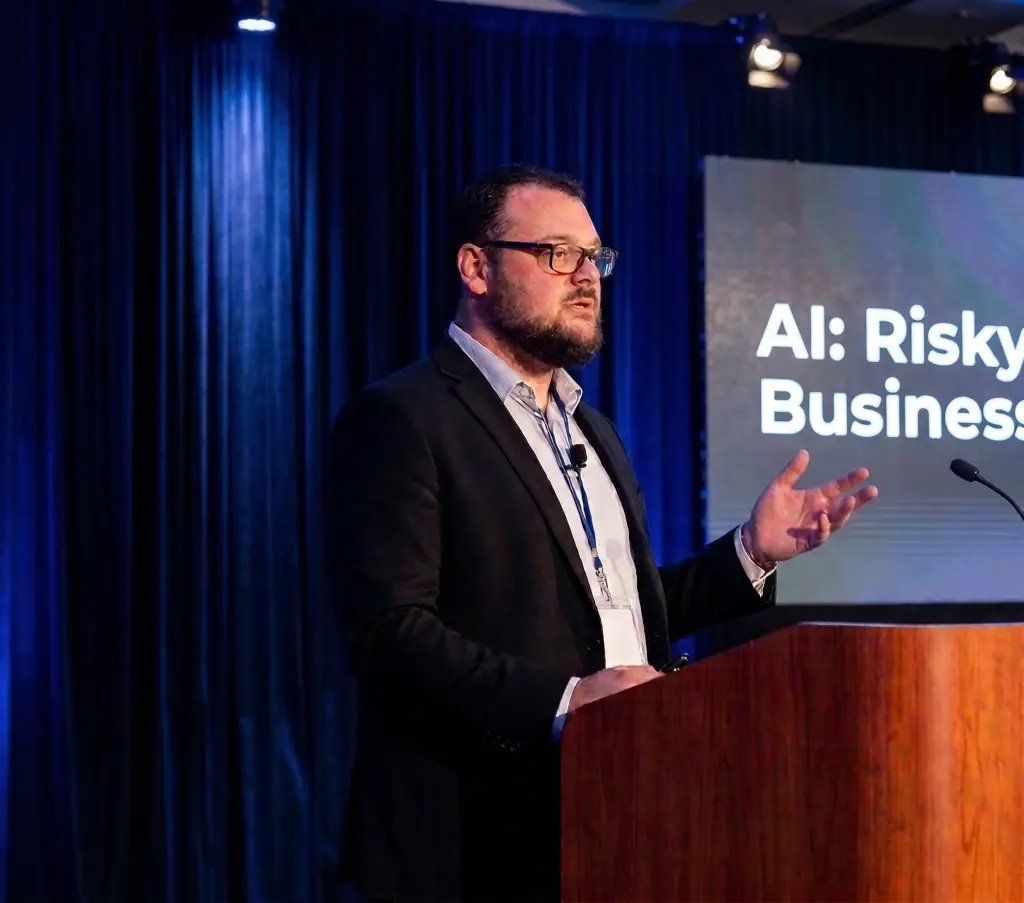
In today’s digital landscape, human error significantly contributes to cyberattacks. Less than 30% of employees feel confident using AI tools. Assessed Intelligence provides tailored AI and cybersecurity education programs to empower your team. Discover how to build a resilient organization equipped to tackle AI and cybersecurity challenges.
Risk Intelligence

Unifies AI, cybersecurity, and regulatory risk into a single operational picture tied to business impact — replacing siloed dashboards with cross-domain visibility, real-time prioritization, and board-ready decision frameworks.
AI Governance

Responsible AI Governance Engineers end-to-end AI accountability from design through deployment, with bias detection, explainability validation, human-in-the-loop controls, and audit trails aligned to NIST AI RMF, ISO 42001, and the EU AI Act — making AI compliance demonstrable, not just declared.
Executive Leadership

Every organization requires executive security and AI leadership, but many can’t afford it. With over 700,000 unfilled cybersecurity positions in the US, the leadership gap is significant. By 2025, 40% of boards will have dedicated cybersecurity oversight, emphasizing the need for executive leadership. Assessed Intelligence offers fractional vCISO and vCRAIO roles that embed decision-making authority, ensuring you have the expertise to navigate today’s complex landscape. Discover how our leadership model can empower your organization to thrive.